One day, your child may look up at you and ask a very simple question:
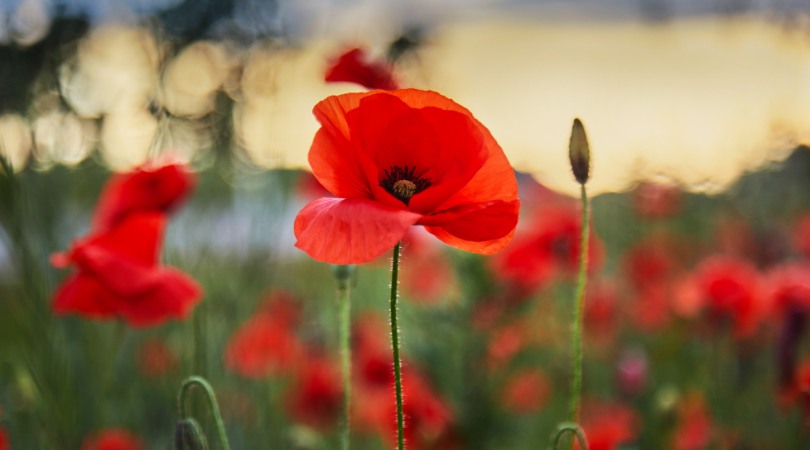
“Why is everyone wearing a red flower?”
Maybe they’ll notice the poppy pinned to your coat. Maybe they’ll wonder why people have gathered around a cenotaph on a cold November morning. Or perhaps they’ll be standing beside you at 11 o’clock when everyone suddenly becomes quiet.
For a child, Remembrance Day often begins with these little observations.
A poppy. A moment of silence. A photograph of someone in uniform. A name carved into a memorial.
And eventually, a question:
“Why do we remember?”
As parents, that question gives us an opportunity to pass something important from one generation to the next. Not merely the history of Remembrance Day, but the values behind it: remembrance, service, courage, sacrifice, gratitude—and the hope for peace.
Because every generation learns remembrance from the one before it.
When Remembrance Day Feels Different as a Parent
Becoming a parent changes how we think about the past. Suddenly, we’re thinking so much about the future. We wonder what kind of world our children will grow up in.
What they’ll learn.
What they’ll value.
Which family traditions they’ll carry forward.
And which stories we’ll make sure they know.
That’s why Remembrance Day can take on new meaning when you’re raising a child. The poppy you’ve worn for years may suddenly need explaining. The two minutes of silence become something you stand through together. An old photograph of a great-grandparent may become the start of a family story. And a ceremony you once attended as a child may become one you now bring your own child to. This is how remembrance continues.
One generation teaches the next.
Why Does Canada Remember on November 11?
You don’t need to give a young child a full history lesson to explain Remembrance Day.
You can begin simply.
“Today we remember people who served our country, and we think about the sacrifices they and their families made.”
As children grow, we can add more of the story.
November 11 carries special meaning because the fighting of the First World War ended with an armistice that took effect at 11 a.m. on November 11, 1918—the eleventh hour of the eleventh day of the eleventh month.
That is why, more than a century later, Canadians still pause at 11 o’clock. At the National Remembrance Day Ceremony, the Last Post is followed by two minutes of silent reflection. Across Canada, that silence is echoed in schools, workplaces, community ceremonies, and homes.
For a young child, two minutes can feel surprisingly long. They may shuffle their feet. They may look around. They may not fully understand. That’s okay.
Understanding remembrance doesn’t have to happen all at once. It can grow with them.
“Why Are You Wearing That Red Flower?”
For many Canadian children, the poppy is their first symbol of Remembrance Day. And it comes with a remarkable Canadian connection.
During the First World War, red poppies grew in areas of France and Belgium devastated by fighting.
In 1915, Canadian physician and artillery officer Lieutenant-Colonel John McCrae wrote about those flowers in his poem In Flanders Fields. The poppy subsequently became an international symbol of remembrance and was adopted in Canada in 1921. But your child doesn’t need all that history the first time they point to the flower on your coat.
You might simply say:
“We wear a poppy to help us remember people who served and sacrificed.”
Then, as they get older, tell them more. Tell them about McCrae. Read In Flanders Fields together. Talk about why the poppy became a symbol. Show them that something as small as a flower can carry a very big story.
How Do You Explain Remembrance Day to a Child?
There isn’t one perfect explanation because children understand difficult subjects differently as they grow. With very young children, begin with ideas they already understand. Remembering. Helping. Courage. Gratitude. Peace.
You might say:
“Today is a day when Canadians remember people who served our country. Some had to leave their families for a long time, and some were hurt or died. We stay quiet for a little while to show that we remember them.”
You don’t need to introduce every difficult detail at once. Follow your child’s questions.
If they ask about the poppy, talk about the poppy.
If they ask why everyone is silent, explain the silence.
If they notice medals on a Veteran’s coat, explain that the person served.
If they ask what war means, answer honestly in words appropriate for their age.
As children become older, the conversation can become more complete. They can learn about Canada’s military history. They can learn about people from their own community. They can learn that service and sacrifice have continued through different wars, conflicts, peace operations and generations. And they can begin to understand that remembrance isn’t about glorifying war.
It’s about remembering people and recognizing what war and military service have meant for individuals, families and communities.
Let Them Meet a Person Behind the History
Dates matter. But people make history real.
If military service is part of your family’s story, Remembrance Day can be an opportunity to introduce your child to someone they may never have had the chance to meet. Bring out the photograph. Say their name. Ask grandparents what they remember. Look at medals or letters if your family has preserved them. Talk about who that person was beyond their uniform.
Where did they grow up? What did they do before they served? What did they love? What happened when they came home? What stories did they tell—or perhaps find difficult to tell?
If your family doesn’t have a military connection, remembrance still belongs to you. Look at the names on your community’s cenotaph. Choose one and learn their story. Visit a museum. Read about a Canadian Veteran together. Because you don’t need a Veteran in your family tree to teach your child why Canada remembers.
Remembering the Many Canadians Who Served
As children get older, we can also help them discover that Canada’s military history contains many different stories. People from communities across the country and from many backgrounds served Canada. That includes generations of First Nations, Inuit and Métis people.
Veterans Affairs Canada notes a long tradition of Indigenous military service and estimates that more than 12,000 First Nations, Métis and Inuit people served in the major conflicts of the 20th century.
Their story also includes inequality. Indigenous Veterans sometimes faced challenges in joining the military and unequal treatment after returning home. November 8 is Indigenous Veterans Day in Canada, providing a special opportunity to recognize the service and sacrifices of First Nations, Inuit and Métis Veterans.
These aren’t details children need to understand all at once. But as they grow, their understanding of remembrance can grow too. They can discover that Canadian history contains courage and sacrifice, but also stories that deserve deeper understanding.
Remembering well means being willing to learn those stories too.
Take Them Somewhere Canada Remembers
On November 11, communities across Canada gather.
This year, perhaps bring your child. Bundle them into their November coat. Pin on a poppy. Walk together to your local cenotaph or Remembrance Day ceremony. Let them see the wreaths. Hear the Last Post. Notice the Veterans and serving members. Read some of the names. Stand together during the silence.
You don’t need to whisper an explanation through every part of the ceremony. Sometimes children learn simply by being there. And someday, they may remember standing beside you.
Ask Grandparents About the Remembrance Days They Remember
Remembrance can connect generations in another way too. Ask grandparents or older relatives what November 11 was like when they were children.
Did their school hold a ceremony? Did someone in their family serve? Did their home have a photograph? Did their parents tell them stories? What did Remembrance Day mean in their family? You may discover stories your children have never heard.
You may even discover stories you’ve never heard. Write them down. Save the photographs. Record a conversation if your family member is comfortable with it. Because family history can disappear surprisingly quickly when nobody asks.
Sometimes preserving remembrance begins with a conversation around the kitchen table.
What Are We Really Passing Along?
We pass traditions to our children because they’re joyful.
Birthday cakes. Holiday recipes. Favourite songs. Family celebrations. And there are traditions we pass along because remembering matters.
Remembrance Day is one of them.
We’re not simply teaching children to wear a poppy. We’re teaching them to ask whose story came before theirs. We’re teaching gratitude. We’re teaching them that service can involve sacrifice. We’re teaching them that history happened to real people and real families. And perhaps most importantly, we’re helping them understand why peace is something worth valuing.
Looking at the Next Generation
During pregnancy, parents spend a remarkable amount of time imagining a person they haven’t met yet. We wonder what they’ll look like. Who they’ll become. What they’ll love. And what kind of world they’ll inherit.
After they’re born, those hopes only grow.
We want our children to learn. To laugh. To build friendships. To discover who they are. To love. To create families and futures of their own.
Perhaps that’s one reason Remembrance Day can feel different once we’re responsible for the next generation. We aren’t only looking backward at sacrifices made in the past. We’re looking forward at the lives we hope our children will have the freedom and peace to build.
Someday, It Will Be Their Turn to Remember
Someday, the child holding your hand may be the parent. They may stand on a cold November morning with a little person beside them. A small voice may ask:
“Why is everyone wearing that red flower?”
And perhaps your child will bend down and explain the poppy. They’ll tell them why Canada becomes quiet at eleven o’clock. Maybe they’ll share the story of someone from your family. Maybe they’ll remember standing beside you at a cenotaph when they were small.
And remembrance will continue, as it always has. From one generation to the next.
At UC Baby, we have spent more than 23 years alongside Canadian families and have had the privilege of serving more than 600,000 moms. We spend our days surrounded by families looking toward the future and imagining everything still ahead for the children they’re waiting to meet.
On Remembrance Day, we join Canadians across the country in looking back.
To Canada’s Veterans and serving members, to those who made the ultimate sacrifice, and to the families and communities whose lives have been shaped by military service:
We remember.
And may we continue teaching future generations why remembrance matters.
Lest we forget.


 Invite families and friends to witness this memorable event of your pregnancy. Celebrate that special child-bonding moment with your loved ones, wherever they are in the world.
 There is nothing more beautiful than your baby's heartbeats. Save that sound forever in a UC Baby® Heartbeat Bear®. It's not just a great keepsake, but also an effective way to sooth your baby to sleep.