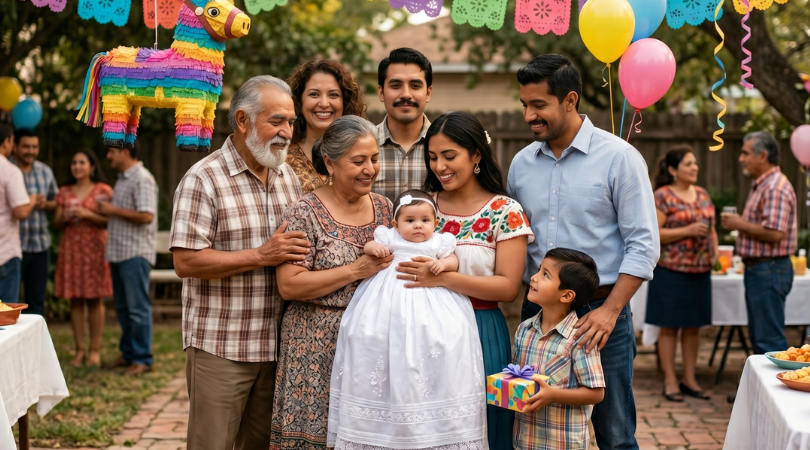
Baby-birth traditions around the world are cultural practices that celebrate, protect, and welcome newborns. These traditions often include naming ceremonies, postpartum recovery rituals, and family celebrations, helping parents bond with their newborns while honouring heritage and strengthening community connections.
Welcoming a baby into the world is one of life’s most emotional milestones. Across cultures, families celebrate this moment in ways that reflect love, protection, and connection. For expecting parents in Canada, exploring global baby-birth traditions can be both inspiring and comforting. While customs may differ, the desire to bond with your baby—before and after birth—is shared by all parents.
What Are Baby Birth Traditions?
Baby birth traditions are cultural practices that celebrate, protect, and welcome a newborn into the family and community. These traditions may include naming ceremonies, postpartum care rituals, spiritual blessings, and family gatherings, all intended to support bonding and mark the beginning of a child’s life.
Baby Birth Traditions by Country
While each culture has unique customs, birth traditions for newborns around the world share a common goal: helping families connect with their newborns while celebrating new life.
Baby Birth Traditions in Brazil
Baby birth traditions in Brazil are joyful and centred on celebration and togetherness.
Key Traditions in Brazil:
- “Chá de bebê” (baby shower)
- Visitors bring gifts after birth
- Acts of gratitude toward caregivers
What It Means for Parents:
Community celebration plays a big role in welcoming and supporting a new baby.
Baby Birth Traditions in China
Baby birth traditions in China focus on structured postpartum recovery and balance.
Key Traditions:
- “Zuo yuezi” (one-month recovery period)
- Special diet and rest practices
- Celebration after recovery
What It Means for Parents:
Healing and bonding are prioritized before returning to daily life.
Baby Birth Traditions in France
Baby birth traditions in France emphasize calm bonding and maternal recovery.
Key Traditions:
- Small, intimate visits
- Focus on maternal recovery
- Thoughtful gift-giving
What It Means for Parents:
A peaceful environment allows for gradual bonding and emotional connection.
Baby Birth Traditions in India
Baby birth traditions in India are deeply spiritual and family-centered.
Key Traditions:
- “Namkaran” naming ceremony
- Postpartum rest and nutrition
- Protective rituals for the baby
What It Means for Parents:
Care, spirituality, and family guidance shape the early stages of life.
Baby Birth Traditions in Bali, Indonesia
Baby birth traditions in Bali reflect spiritual purity and protection during early life.
Key Traditions:
- Babies do not touch the ground for months
- Ceremony when baby first touches earth
What It Means for Parents:
These traditions show deep respect for the sacredness of new life.
Baby Birth Traditions in Italy
Baby birth traditions in Italy combine family closeness with symbolic protection.
Key Traditions:
- Use of red for protection and good luck
- Frequent family visits
- Religious milestones like baptism
What It Means for Parents:
Strong emotional support helps create a nurturing environment for both baby and parents.
Baby Birth Traditions in Japan
Baby-birth traditions in Japan focus on postpartum recovery and spiritual blessings for the newborn.
Key Traditions:
- “Satogaeri bunben” (returning home after birth)
- “Omiyamairi” shrine visit
What It Means for Parents:
Rest and recovery are prioritized, ensuring both mother and baby begin their journey in a healthy and supported way.
Baby Birth Traditions in Nigeria
Baby-birth traditions in Nigeria centre on naming ceremonies that formally welcome the baby into the family and community.
Key Traditions:
Naming ceremony on the 7th or 8th day
Elders give blessings and prayers
Names reflect meaning and heritage
What It Means for Parents:
This reinforces identity, belonging, and strong community support from the beginning.
Baby Birth Traditions in Pakistan
Baby birth traditions in Pakistan emphasize faith, generosity, and symbolic new beginnings.
Key Traditions:
- Aqiqah ceremony with animal sacrifice
- Sharing food with others
- Shaving the baby’s hair as a symbol of purity
What It Means for Parents:
These rituals highlight compassion, gratitude, and meaningful values at the start of life.
Baby Birth Traditions in the Philippines
Baby birth traditions in the Philippines focus on family influence, spiritual milestones, and lifelong guidance for the child.
Key Traditions:
- “Paglilihi” beliefs about cravings influencing the baby
- Baptism as an important milestone
- Godparents chosen for lifelong guidance
What It Means for Parents:
These traditions highlight how deeply family and belief systems shape early bonding and identity.
What Do Baby Traditions Around the World Have in Common?
Baby-birth traditions around the world share common themes, including celebrating new life, protecting the newborn, supporting the mother, and strengthening family bonds.
Common Elements:
- Naming ceremonies
- Postpartum recovery practices
- Community involvement
- Spiritual protection
While traditions vary, the emotional purpose remains the same—connection, care, and love.
Modern Baby Traditions Parents Are Creating Today
Modern baby traditions combine cultural values with new experiences that help parents bond before birth. Today’s parents often create memories through:
-
Gender reveal ultrasound experiences
-
3D, 4D and 5D ultrasound bonding sessions.
-
Pregnancy milestone photos
-
Baby memory keepsakes
Seeing your baby during a pregnancy ultrasound has become a powerful bonding moment, akin to traditional rituals celebrating new life.
When is Best Time to Bond With Your Baby During Pregnancy?
The best time to bond with your baby during pregnancy is typically between the second and third trimesters, when movement and development become more noticeable.
During this time:
-
Baby movements become stronger
-
Facial features are more visible
-
Baby ultrasound images become clearer
This is an ideal time for a 3D/4D/5D ultrasound experience.
Why Parents Across Canada Choose UC Baby
UC Baby provides a trusted and welcoming environment for parents to connect with their baby before birth using advanced ultrasound technology.
Parents choose UC Baby for:
-
3D, 4D, and 5D HD ultrasound experience
-
Comfortable, family-friendly spaces
-
Experienced ultrasound technicians
-
28+ Locations across Canada
These sessions create meaningful bonding experiences that become part of a family’s story.
Frequently Asked Questions
-
1Why are baby birth traditions important?
Baby birth traditions are important because they help families celebrate new life, create cultural identity, and support emotional bonding during early parenthood.
-
2What are the most common baby traditions worldwide?
The most common baby traditions worldwide include naming ceremonies, postpartum recovery rituals, blessings, and community celebrations.
-
3Why do many cultures focus on postpartum recovery?
Many cultures focus on postpartum recovery because it supports the mother’s healing and strengthens early bonding with the baby.
-
4Are baby naming ceremonies religious or cultural?
Baby naming ceremonies can be both religious and cultural, depending on the traditions and beliefs of the family.
-
5Can I create my own baby traditions?
Yes, many modern families create their own baby traditions by blending cultural customs with personal experiences.
-
6How can I bond with my baby before birth?
You can bond with your baby before birth through talking, music, feeling movements, and seeing your baby during a pregnancy ultrasound.
-
7When is the best time for a 5D ultrasound?
The best time for a 5D ultrasound is typically between 24 and 32 weeks, when your baby’s features are clearly visible.
Conclusion
Baby-birth traditions around the world show that welcoming a new life is a shared human experience marked by love, care, and connection.
Whether through cultural rituals or modern experiences such as 3D and 5D ultrasound sessions, parents today have many ways to bond with their baby before birth and to create lasting memories.
RECOMMENDED READINGS:
Pregnancy and Birth Traditions Around the World
Birth Customs Around the World
11 Unique Birthing Traditions Around The World
Why Most Brazilian Women Get C-Sections
Chinese Birthday Customs for Newborns
For Chinese Moms, Birth Means 30 Days In Pajamas
18 Facts about being pregnant in France
How to greet babies in Europe – baby customs and traditions around birth
12 Spiritual Rituals That Honor The Arrival Of A New Baby
5 Indian Rituals For Babies Whose REAL Purpose You’d Never Have Guessed!
Your Guide to Traditional Indian Rituals for Newborns
Bali Nyabutan Ceremony: Baby First Touches the Mother Earth
In Bali, Babies Are Believed Too Holy to Touch the Earth
8 Common Italian Baby Traditions
10 Japanese Traditional Rituals to Give Every Child a Happy Life
Cradle to the Grave – Birth, Marriage and Death in Japan
Birth Customs Around the World
10 Traditions Only Nigerians Can Understand
Naming Ceremony (Iso Omo Loruko)
Birthing Beliefs in the Philippines
The Philippines’ Birth Practices Facilitate Maternal and Infant Mortality Declines
Filipino Pregnancy & Baby Beliefs


 Invite families and friends to witness this memorable event of your pregnancy. Celebrate that special child-bonding moment with your loved ones, wherever they are in the world.
 There is nothing more beautiful than your baby's heartbeats. Save that sound forever in a UC Baby® Heartbeat Bear®. It's not just a great keepsake, but also an effective way to sooth your baby to sleep.