Deciding to start a family is one of the most meaningful and exciting milestones in life. For many couples, the path to pregnancy begins with a simple question:
“How can we improve our chances of getting pregnant?”
While some people grasp things quickly, others may take more time — and that’s perfectly normal.
Understanding how your body functions, especially your menstrual cycle and ovulation timing, can significantly improve your chances of conception.
In this guide, we’ll walk you through everything you need to know about getting pregnant, including:
-
how ovulation works
-
the best time to try to conceive
-
signs of fertility
-
practical tips to improve your chances
-
when to seek support
Whether you’re just beginning your journey or have been trying for some time, this guide will help you feel more informed and confident.
Understanding How Pregnancy Happens
Pregnancy occurs when a sperm fertilizes an egg.
Each month, the ovaries release an egg during a process called ovulation. This egg then travels through the fallopian tube, where it may be fertilized.
For conception to happen:
- sperm must be present during the fertile window
- the egg must be released and viable
- fertilization must occur within a short timeframe
The timing of these events is key.
What Is the Fertile Window?
The fertile window refers to the days in your cycle when pregnancy is most likely to occur.
This includes:
-
the 5 days leading up to ovulation
-
the day of ovulation
Sperm can survive in the body for several days, while the egg remains viable for only about 12–24 hours. This means timing intercourse correctly can greatly boost your chances of conceiving.
When Is the Best Time to Get Pregnant?
The best time to try for pregnancy is during your fertile window — particularly the 2–3 days before ovulation and the day of ovulation itself.
Many couples benefit from tracking their cycle to better understand when ovulation occurs.
Signs of Ovulation
Recognizing ovulation can help you time intercourse more effectively. Common signs include:
-
Changes in Cervical Mucus – Clear, stretchy, egg-white–like mucus often appears just before ovulation.
-
Mild Pelvic Discomfort – Some women feel a slight twinge or cramp during ovulation.
-
Increased Basal Body Temperature – A slight rise in temperature may occur after ovulation.
-
Increased Libido – Some women notice increased desire around ovulation..
Understanding these signs can help you identify your most fertile days.
Learn more: Getting Pregnant – Ovulation & Fertility
How Often Should You Try to Conceive?
A common question is:
“How often should we try?”
Most experts recommend: every 1–2 days during your fertile window
This helps ensure sperm are present when the egg is released.
Trying too infrequently may reduce chances, while overly rigid timing can add unnecessary stress.
Tips to Improve Your Chances of Getting Pregnant
While there is no guaranteed method, several lifestyle factors can support fertility.
1. Maintain a Healthy Lifestyle
- eat a balanced diet
- stay physically active
- maintain a healthy weight
2. Reduce Stress
Trying to conceive can be emotional. Finding ways to relax and manage stress can be beneficial
3. Avoid Smoking and Limit Alcohol
These can negatively impact fertility for both partners.
4. Take Prenatal Vitamins
Folic acid is essential for early development and is often advised when trying to conceive.
5. Get Enough Sleep
Rest supports overall hormonal balance.
Learn more: Tips on Getting Pregnant Faster
Common Myths About Getting Pregnant
There are many misconceptions about fertility.
-
1Myth: You Can Get Pregnant Anytime
Reality: Pregnancy is most likely during the fertile window.
-
2Myth: Certain Positions Increase Chances
There is no strong scientific evidence supporting this.
-
3Myth: It Happens Immediately for Everyone
Many couples take several months to conceive.
How Long Does It Take to Get Pregnant?
For many healthy couples:
- about 80% conceive within one year
- some may take longer
It’s important to remember that timelines vary.
When Should You Seek Help?
You may consider speaking with a healthcare provider if:
- you’ve been trying for 12 months (under 35)
- trying for 6 months (over 35)
- you have known reproductive concerns
Seeking guidance early can provide reassurance and support.
Learn more: 10 Early Signs of Pregnancy
Early Signs You May Be Pregnant
After conception, some early signs may appear:
- missed period
- fatigue
- nausea
- breast tenderness
However, symptoms can vary.
Confirming Pregnancy
Once you suspect pregnancy, confirmation typically begins with:
- home pregnancy test
- follow-up with healthcare provider
After confirmation, many parents look forward to their first ultrasound experience.
Learn when you can first see your baby in our Pregnancy Ultrasound Timeline Guide.
The Next Step: Seeing Your Baby
After pregnancy is confirmed, an ultrasound becomes an exciting milestone.
Early scans may:
- confirm the pregnancy
- detect heartbeat
- assess early development
Later in pregnancy, parents can experience:
- seeing baby’s features
- watching movements
- bonding moments
From Trying to Conceive to Meeting Your Baby
The journey from trying to conceive to meeting your baby is filled with meaningful milestones — each one bringing you closer to your little one.
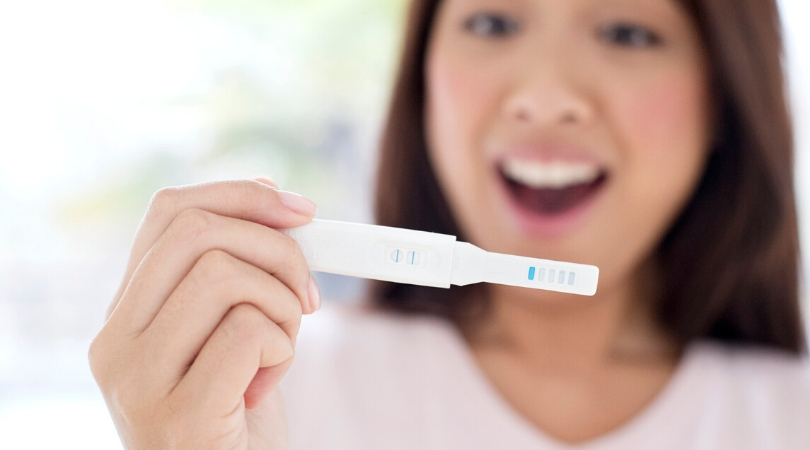
This is where it all begins — learning about your body, tracking your cycle, and taking those first hopeful steps toward starting your family. A life-changing moment. Seeing those two lines brings excitement, emotion, and the realization that your journey into parenthood has truly begun. Your first glimpse of your baby. This early scan may confirm the pregnancy and allow you to see or hear your baby’s heartbeat for the very first time. A joyful milestone where you discover whether you’re expecting a boy or a girl — whether early through testing or during a shared ultrasound experience. A joyful milestone where you discover whether you’re expecting a boy or a girl — whether early through testing or during a shared ultrasound experience. The moment you’ve been waiting for. After months of anticipation, you finally meet your baby — a moment that makes every step of the journey worthwhile.
Trying to Conceive
Positive Pregnancy Test
First Ultrasound
Gender Reveal
3D / HD 5D Ultrasound
Baby Arrives
Each stage brings new experiences and emotions. From your very first ultrasound to unforgettable bonding experiences, UC Baby can be part of that pregnancy journey.
Discover UC Baby Pregnancy Ultrasound Packages and Services
Frequently Asked Questions
-
How can I get pregnant faster?
Focus on timing intercourse during your fertile window and maintaining a healthy lifestyle. -
What are the best days to try?
The 2–3 days before ovulation and the day of ovulation. -
How do I know if I’m ovulating?
Look for signs such as changes in cervical mucus, temperature, and cycle patterns. -
Can stress affect fertility?
High stress levels may impact hormonal balance, but effects vary. -
When should I worry about not getting pregnant?
After 12 months (or 6 months if over 35), consider seeking advice.
Final Thoughts
Trying to get pregnant is a very personal journey. While there is no one-size-fits-all approach, understanding your body, timing, and overall health can make a significant difference.
Most importantly, patience and self-care are key.
At UC Baby, we are here to support you not just during pregnancy, but throughout your entire journey — from the first positive test to the unforgettable moment you see your baby for the first time.
Recommended Readings:
Cleveland Clinic. Conception: Fertilization, Process & When It Happens. Reviewed 2023.


 Invite families and friends to witness this memorable event of your pregnancy. Celebrate that special child-bonding moment with your loved ones, wherever they are in the world.
 There is nothing more beautiful than your baby's heartbeats. Save that sound forever in a UC Baby® Heartbeat Bear®. It's not just a great keepsake, but also an effective way to sooth your baby to sleep.