Voici une collection de citations inspirantes sur la maternité et la paternité. Nous mettons cela ensemble comme une célébration de la parentalité et notre façon de dire à quel point vous êtes tous spéciaux.


Thanksgiving has a way of bringing us back to the people who matter most. Families gather around the table, favourite dishes make their annual appearance, familiar stories are retold, and someone usually tries to get everyone together for a family photo. It is one of those holidays when we notice not only what we have but also the people who make our lives feel full.

Many parents compare NIPT vs first-trimester screening when choosing prenatal tests. NIPT and first-trimester screening are both prenatal tests that assess the risk of chromosomal conditions. NIPT uses fetal DNA from the mother’s blood and is more precise, while first-trimester screening combines blood tests and ultrasound measurements. Your healthcare provider can assist in choosing the most suitable option.

The NIPT test is not mandatory during pregnancy, but it is often recommended to screen for specific chromosomal conditions. It offers early insights into your baby’s health and is particularly useful for higher-risk pregnancies. Your healthcare provider can assist you in deciding if it’s the right choice for you.
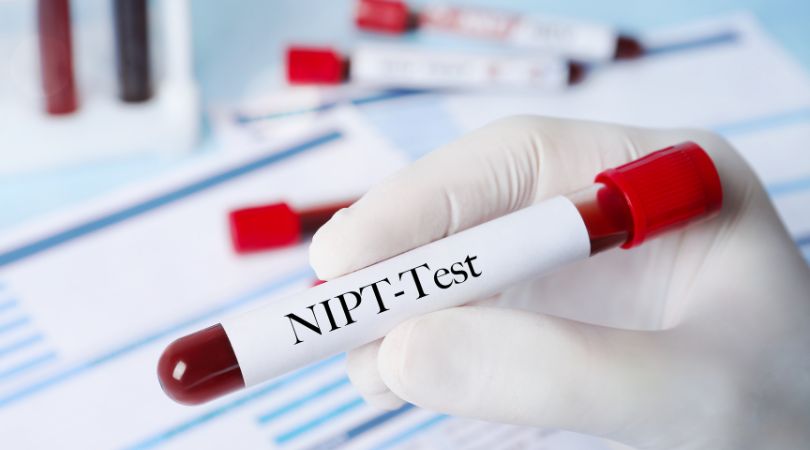
The NIPT test is a prenatal blood screening that detects specific chromosomal conditions by examining fetal DNA in the mother’s blood. It is highly accurate—over 99% for certain conditions—when done after 10 weeks. While it can also determine gender, its main goal is to assess your baby’s health.

Prenatal testing in Canada includes screening options like NIPT and first trimester screening that help evaluate your baby’s development. These tests offer early insights into chromosomal conditions and are generally optional for most pregnancies. Understanding your choices allows you to make informed decisions and feel more confident during your pregnancy journey.


GRATUIT diffusion en direct et de vidéo à la Demande
 Invitez familles et amis à assister à cet événement mémorable de votre grossesse. Célébrez avec vos proches où qu’ils soient dans le monde ce moment spécial de lien avec l’enfant.
UC Baby® Oursons Coups de cœur
 Rien n’est plus beau que les battements de cœur de votre bébé. Enregistrez ce son pour toujours dans un Ourson Coup de cœur de UC Baby®. Il ne s’agit pas simplement d’un beau souvenir, mais aussi d’un moyen efficace qui apaise votre bébé pour l’aider à s’endormir.