Thanksgiving has a way of bringing us back to the people who matter most. Families gather around the table, favourite dishes make their annual appearance, familiar stories are retold, and someone usually tries to get everyone together for a family photo. It is one of those holidays when we notice not only what we have but also the people who make our lives feel full.

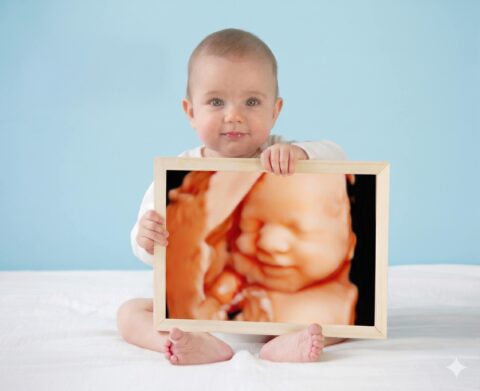
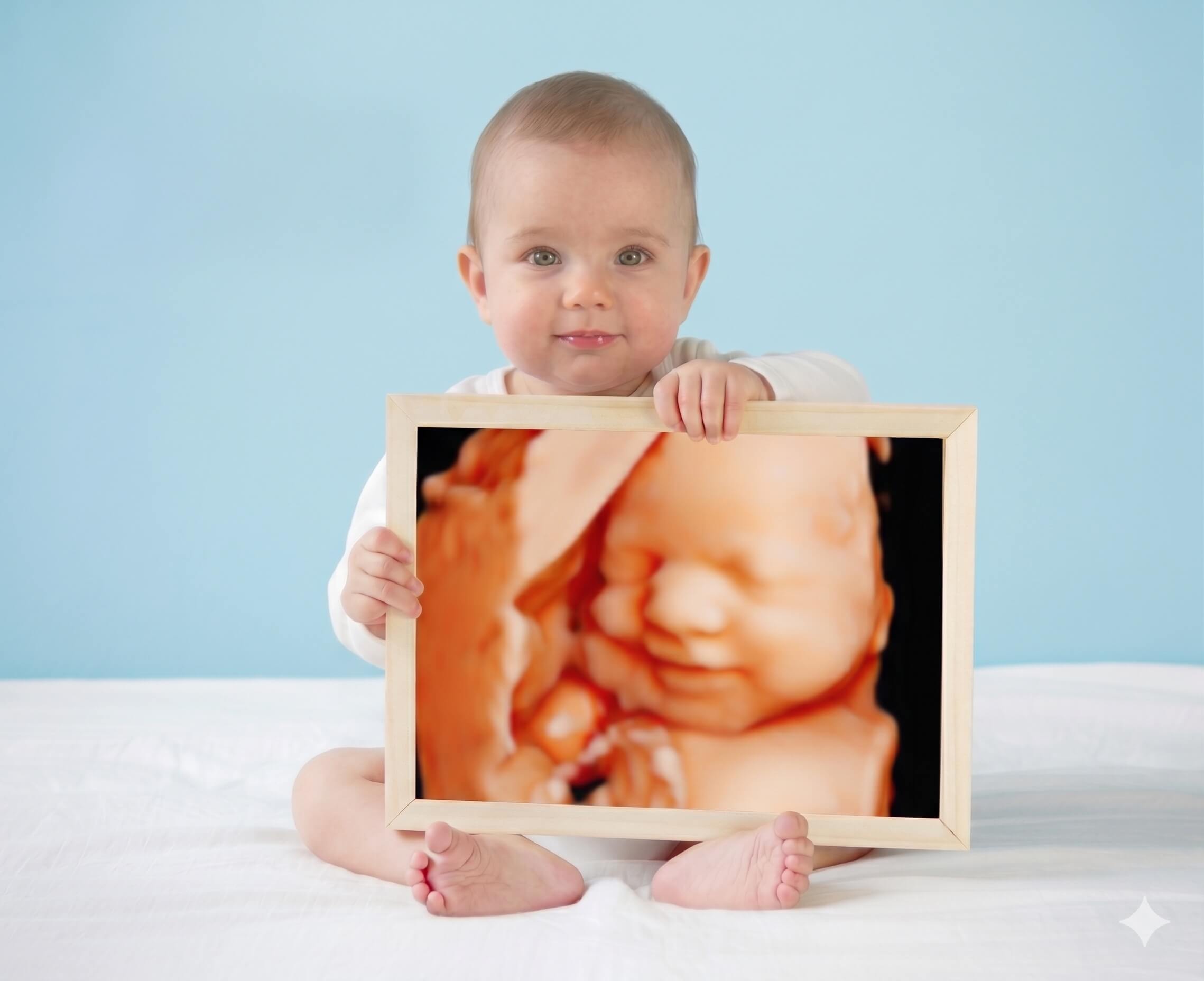
Many parents are amazed to see that their toddler closely resembles their 3D or 5D ultrasound images. Recreating your baby’s ultrasound photos using toddler pictures is a meaningful way to celebrate your pregnancy journey, preserve precious memories, and see how your baby’s unique features were already taking shape before birth.
Canada is widely regarded as one of the best countries to have a baby, thanks to universal healthcare, generous parental leave, family-friendly communities, cultural diversity, and a high quality of life. These benefits support parents throughout pregnancy and provide children with a strong start in life. Continue reading

Canada Day celebrates connection, community, and family. For many parents, the journey begins long before their baby arrives. The first heartbeat they hear becomes part of their family’s story—a powerful reminder that every family begins with moments of love, anticipation, and togetherness.

As you wait to meet your baby, it’s natural to imagine the life they will build. Canada offers endless opportunities for exploration, learning, connection, and belonging. From coast to coast, your child will grow up immersed in diverse communities, breathtaking landscapes, and experiences that shape who they become.


GRATUIT diffusion en direct et de vidéo à la Demande
 Invitez familles et amis à assister à cet événement mémorable de votre grossesse. Célébrez avec vos proches où qu’ils soient dans le monde ce moment spécial de lien avec l’enfant.
UC Baby® Oursons Coups de cœur
 Rien n’est plus beau que les battements de cœur de votre bébé. Enregistrez ce son pour toujours dans un Ourson Coup de cœur de UC Baby®. Il ne s’agit pas simplement d’un beau souvenir, mais aussi d’un moyen efficace qui apaise votre bébé pour l’aider à s’endormir.